Home / Courses / First Flame: Foundations of Practice
Free
Module 4 · Lesson 2 of 4
Spoons and quiet
Someone online had a longer list. You closed the tab and used the bowl you drink from. Then this lesson, “Spoons and quiet,” showed up as something you could do before the tea cooled. Five minutes lying down counts. You do not need a better room first. You need a smaller promise. If the promise needs a forest, a crowd, or a closed tradition’s prayer, it is the wrong size.
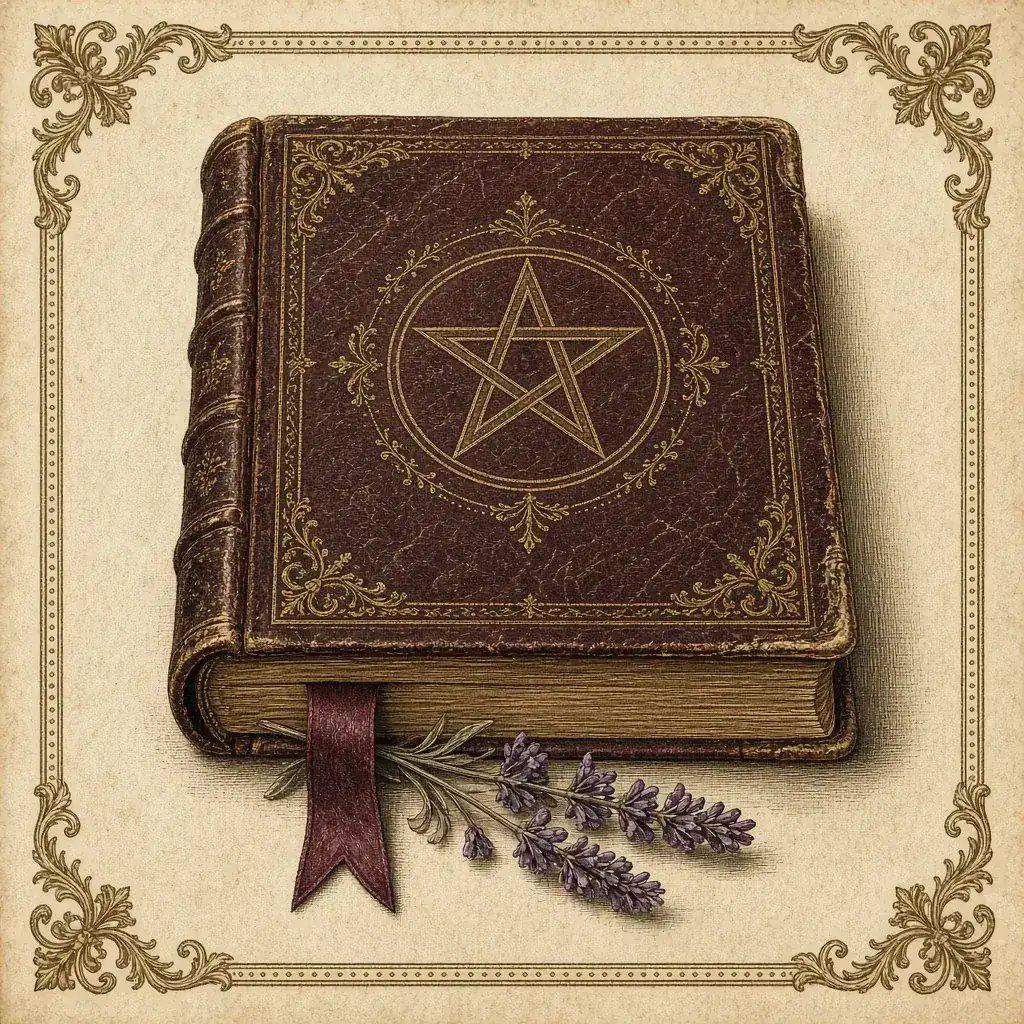
Pain and fatigue shrink the rite. They do not fail it. Stay with that motion until you could teach it to a friend who is ready to practice. In First Flame: Foundations of Practice, the module “Body and place” is only useful if it changes what your hands do this week. Give it ten quiet minutes, not a new identity. Keep a timer if you drift. Stop while you are still kind to the people who share the air. The picture is the craft at work: color, herb, flame, and moon each carry power. Do the ordinary piece the picture was pointing at: the call, the sweep, the bedtime, the budget line.
Heroics that break you are not advanced. Name the limit out loud once. Limits are how a craft stays a craft instead of a hunger. If flame is involved, you stay in the room and you know how the flame dies. If plants are involved, you do not eat what you cannot identify, and you learn the plant before it goes in a cup. If a step aims at another person’s will, drop the step and keep the journal. Hoodoo, Lukumí, Vodou, Candomblé, and specific Indigenous ceremonies remain outside every course here, even when a picture looks cousin to them.
Give the idea a body. Five minutes lying down counts. Do it once at a size that fits today, then write three lines: what you did, what you refused, and what you can point to in the room. Write what answered, and keep the line. Leave the page. Do the ordinary next thing, like the dishes or the walk. The lesson is finished when the room is ordinary again.
Try it
A quick check
Deeper reading
For the student who wants another layer: stay with the practice until you can teach it in your own words, then read these books and rewrite any example before you use it.
- Scott Cunningham — Wicca: A Guide for the Solitary Practitioner (1988). Short practices you can shrink further.
- Scott Cunningham — Living Wicca (1993). Designing a practice after the first book.
- Carl McColman — Before You Cast a Spell (2004). Slowing down before technique.